
Home

Scottish Whisky Guide

Scotland and whisky are inseparable – shaped by the same landscapes, histories and traditions. From rugged coastlines to soft Speyside valleys, each region tells its own story through the spirit it produces.

For centuries, Scotch whisky has evolved from illicit stills hidden in the hills to one of the world’s most celebrated drinks, admired for its craft and unmistakable character. This guide brings together the essentials of Scottish whisky: where it began, how it’s made, how regional styles differ, and how to enjoy it.

WHISKY ORIGINS

Whisky’s story begins long before modern distilleries, rooted in ancient distillation practices brought to Scotland by monks. Over time, illicit stills flourished in remote glens, producing spirits that were far removed from the refined Scotch we know today. It wasn’t until the 18th and 19th centuries – with taxation changes, improving transport and pioneering distillers – that whisky began to grow into a national craft.


The Glenlivet played a defining role in this transformation. In 1824, it became the first legal distillery in the Livet Valley, setting a quality benchmark that helped shape Speyside’s reputation.

HOW SCOTCH IS MADE

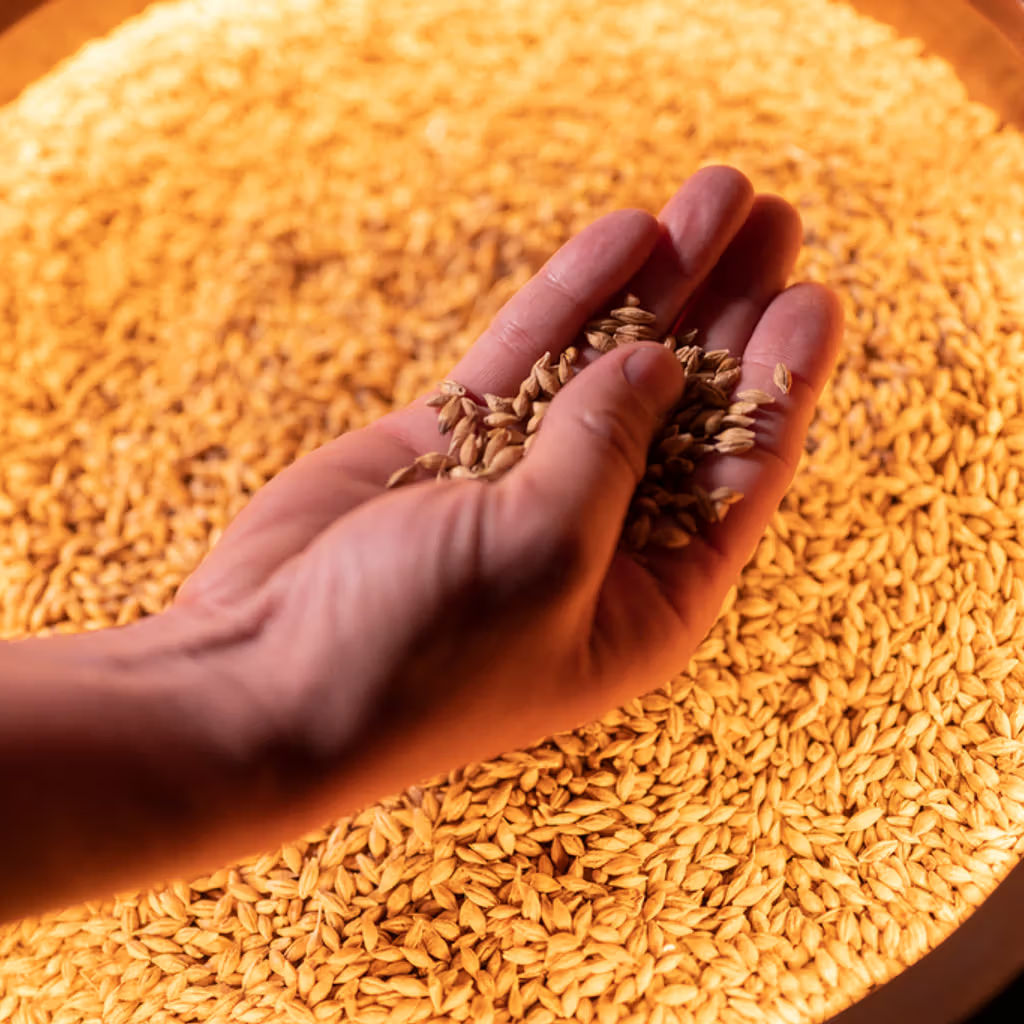
Despite the diversity of styles, Scotch whisky follows a precise and protected process. It begins with just three ingredients – barley, water and yeast – before moving through malting, mashing, fermentation and distillation. The spirit is then matured for at least three years in oak casks, where it develops colour, texture and character.


Every stage has an influence, from the shape of a still to the choice of cask. The Glenlivet is known for its purifiers and tall stills, which help create its trademark smooth, fruit-forward style.

THE WHISKY REGIONS OF SCOTLAND


Scotland’s whisky regions each offer something distinct. The Highlands produce a wide range from floral to robust; Islay is known for its smoke and maritime character; Lowland whiskies tend to be soft and gentle; and Campbeltown offers a briny, slightly oily profile. Islands whiskies add another dimension, with mineral and coastal notes shaped by rugged terrain.


Speyside, the largest region, is home to many of Scotland’s most elegant and fruit-driven whiskies – including The Glenlivet. Understanding regional styles can help guide your palate and preferences.

SPEYSIDE WHISKY

Speyside is often described as the heart of Scotch. Protected by surrounding hills and nourished by pure water sources like the River Spey, the region produces whiskies known for their orchard fruit, honeyed sweetness and refined character. It’s also home to some of the world’s most beloved distilleries, where traditional craft meets modern innovation.


The Glenlivet sits at the very centre of this landscape. Reopened after extensive restoration, our award-winning distillery continues to honour its pioneering heritage while offering a contemporary visitor experience shaped by craftsmanship and community.

HOW TO DRINK SCOTCH

There’s no right or wrong way to enjoy Scotch – only the way that suits you. Some prefer it neat to experience the full depth of flavour, while others add water to unlock new aromas or enjoy it over ice. Cocktails offer another route, making Scotch approachable and versatile without losing its character.


Tasting thoughtfully can help you understand what you enjoy. Notice the aroma before sipping, pay attention to texture, and explore how flavours develop on the palate.